Testing times for abrasives
Abrasive blast cleaning field tests are important to verify the performance of abrasives used to clean metal surfaces.
Several field tests should be conducted to ensure optimum blast performance when working with abrasives. Before proceeding, you should check the quality of the purchased abrasives to ensure the specified product has been delivered with the correct grade and size range. You should also confirm that there is no visual damage to the bags or packaging. Always ensure the abrasive is clean and dry and comes with a certificate of supplier’s conformity.
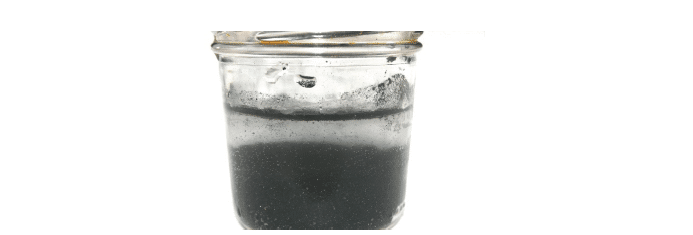
DUST TEST
This is a simple test in which a small sample of the abrasive is placed into a container, usually a clear jar, before a similar volume of water is added. The container is shaken for about 1–2 minutes and then left to stand for upwards of 10 minutes. The surface of the water is visually examined and, if dust is evident, the abrasive fails the dust test.
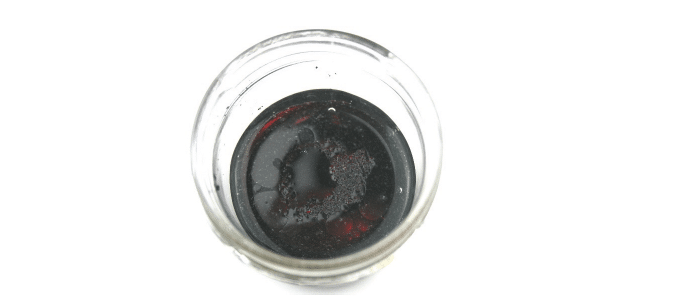
OIL CONTAMINATION TEST (OR VIAL TEST)
A small sample of the abrasive is placed in a clean, sealable container. Fresh water is then added so that it covers the abrasive by 2.5 cm (1 inch), and the container is shaken for about a minute before being allowed to stand for a few minutes. The surface of the water is visually examined for oil droplets or sheen. If oil is visually evident, the abrasive fails the test. The test will also indicate if the abrasive is excessively dirty.
WATER SOLUBLE CONTAMINATION TESTS (ASTM D4940 AND ISO 11127-6)
The ASTM D4940 test consists of taking equal parts (300 ml of deionised water and 300 ml of abrasive), placing them into a container and stirring, followed by a few minutes standing time and further stirring. This process leaches the soluble salts from the abrasive, and the liquid is checked for soluble contaminants. For full guidance, refer to ASTM D4940, Standard Test Method for Conductimetric Analysis of Water Ionic Contamination of Blast Cleaning Abrasives.
The ISO 11127-6 test uses a pre-calibrated meter to record the conductivity value of 100 ml of deionised water. Note that the maximum conductivity should be defined in the specification or in the abrasive technical data sheet. For full guidance, refer to ISO 11127-6, Preparation of Steel Substrates Before Application of Paints and Related Products – Test Methods for Non-Metallic Blast-Cleaning Abrasives – Part 6: Determination of Water-Soluble Contaminants by Conductivity Measurement.
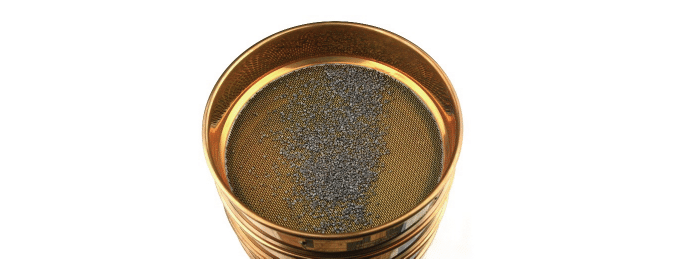
ABRASIVE PARTICLE SIZE SIEVE TEST
This is a quick, straightforward procedure used to determine the particle size distribution of abrasive by allowing the material to pass through a series of sieves of progressively smaller mesh size and weighing the amount of material retained by each sieve as a fraction of the total mass of abrasive. You should refer to the following standards: ISO 11125-2, Preparation of Steel Substrates Before Application of Paints and Related Products – Test Methods for Metallic Blast-Cleaning Abrasives – Part 2: Determination of Particle Size; ISO 565, Test Sieves – Metal Wire Cloth, Perforated Metal Plate and Electroformed Sheet – Nominal Sizes of Openings; and ASTM C136, Standard Test Method for Sieve Analysis of Fine and Coarse Aggregates.
This article is part of the Blasting Series available on the Corrodere App. Discover the complete series and access a wealth of training resources designed for coatings and corrosion professionals. The app also includes convenient features such as digital ID cards, certification renewal reminders, and a unique verification code system, allowing employers and clients to instantly verify qualifications. Find out more and download the Corrodere App today.